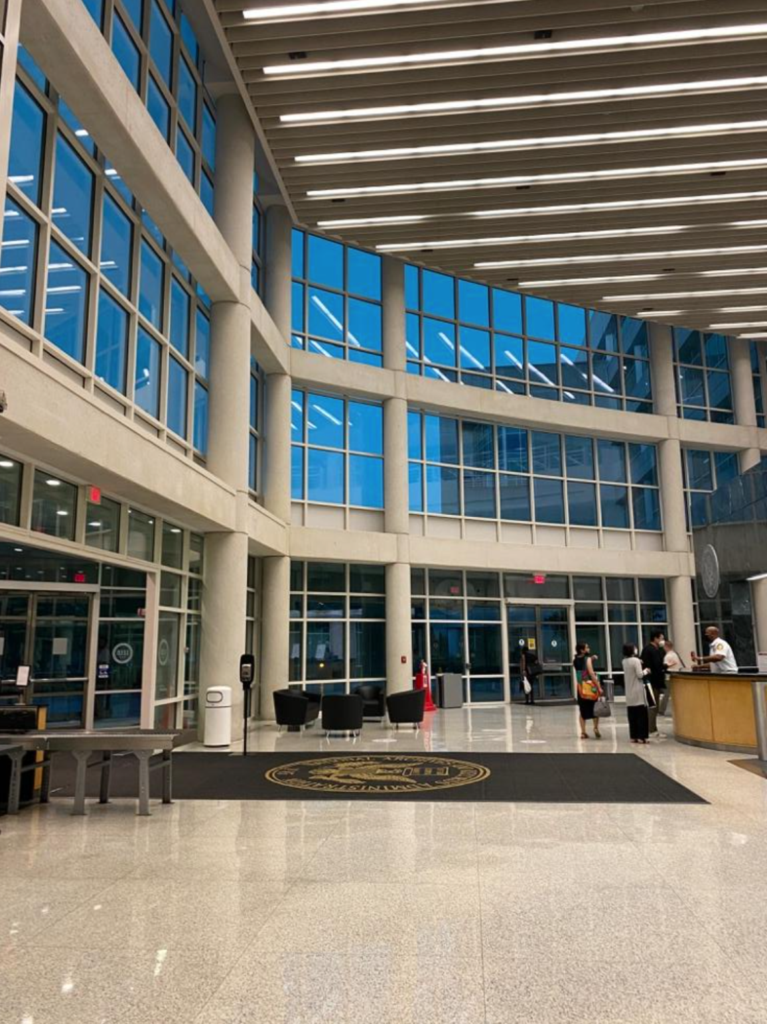
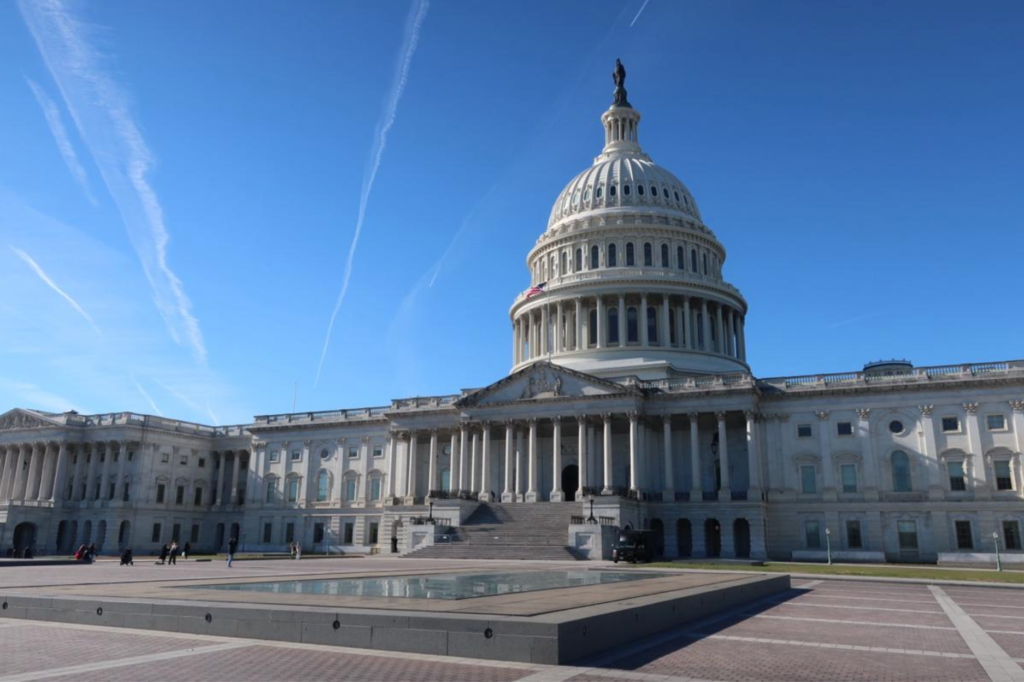
From mid- to late November 2025, I traveled to Puerto Rico and Washington, D.C., in the United States. The primary purposes of this trip were to participate in and present my research at the 2025 Annual Meeting of the American Studies Association (ASA), and to conduct archival research at the National Archives at College Park, Maryland (Archives II). In particular, a key objective was to present findings from my doctoral dissertation, submitted in early January of this year, to an international audience and to receive direct scholarly feedback on its academic significance and remaining challenges. Another important aim was to supplement gaps in primary sources that had remained during the dissertation writing process.
Although the conference was held in November, temperatures in Puerto Rico reached approximately 30°C, allowing me to spend the duration of my stay in short sleeves. While brief periods of heavy rainfall resembling tropical squalls occurred at night, they did not significantly affect the conference schedule or transportation. The area surrounding the conference venue was densely developed with hotels, casinos, movie theaters, and restaurants, and was particularly lively due to a basketball tournament for elementary, junior high, and high school students being held at the same time. Within this environment, the conference venue remained vibrant throughout, fostering active and engaged scholarly discussions.
I delivered my paper at a panel held on the final day of the conference, November 22, from 9:45 a.m. to 11:15 a.m. The panel was titled “Postwar Racial Liberalism from Mississippi to Okinawa,” and aimed to reconsider the relationship between the postwar order and race and power from a perspective that traversed both the U.S. mainland and its peripheral regions. In addition to myself, the panel featured three other presenters—Kei Kato, Mika Tamai, and Kei Abe—each affiliated with universities in the United States. The session was chaired by Professor Patricia Ventura of Spelman College, with Professor Julie Sze of the University of California, Davis serving as the discussant. Both provided insightful and constructive commentary grounded in their respective areas of expertise.
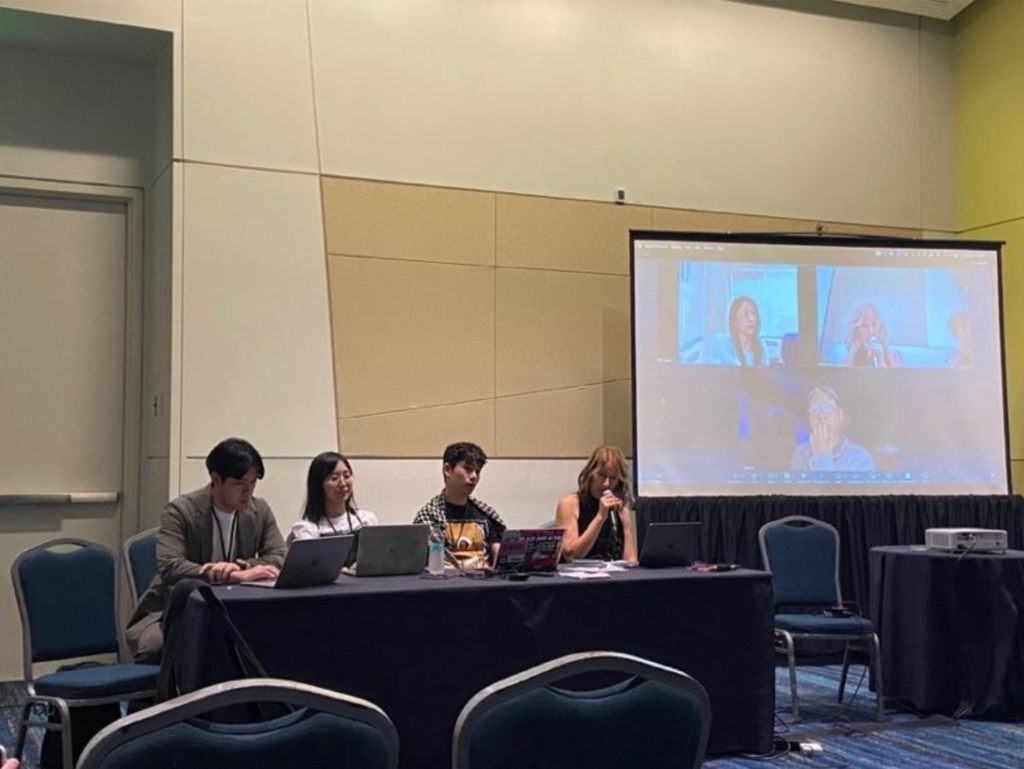
My presentation, entitled “U.S. Nuclear Operation Plans and Okinawa,” was based on the core chapters of my doctoral dissertation. In this paper, I sought to reexamine the concept of Okinawa’s “military utility,” which has often been taken for granted in previous scholarship, through close analysis of U.S. military primary sources, particularly documents related to nuclear operational planning. The presentation aimed to clarify more concretely the historical and strategic conditions under which Okinawa was incorporated into U.S. nuclear strategy. I also introduced a new line of analysis concerning the destinations to which nuclear weapons removed from Okinawa were transferred at the time of the reversion of administrative rights to Japan in 1972—an issue that has received insufficient attention in existing research.
During the question-and-answer session, audience members raised questions about the role played by scientists in the formulation of nuclear operational plans and their relationship with military professionals. In response, I discussed specific cases documented in the archival record involving scientists and military technical experts, emphasizing that U.S. nuclear strategy was constructed not solely through military decision-making, but was also supported by scientific expertise and professional networks. Following the session, I received further advice highlighting the potential for developing comparative and connective historical research linking U.S. nuclear strategy with the Asia-Pacific region, providing valuable guidance for advancing my work within broader international scholarly debates.
After the session, I also attended a reception for international scholars and graduate students. This event provided an opportunity to exchange ideas with researchers and students from diverse disciplinary backgrounds and at various stages of their academic careers, including Professor Ventura, who chaired the panel. These conversations offered valuable insights into current research trends, future conference participation, and career development for early-career scholars. Such informal interactions were particularly meaningful and underscored the importance of building international research networks.
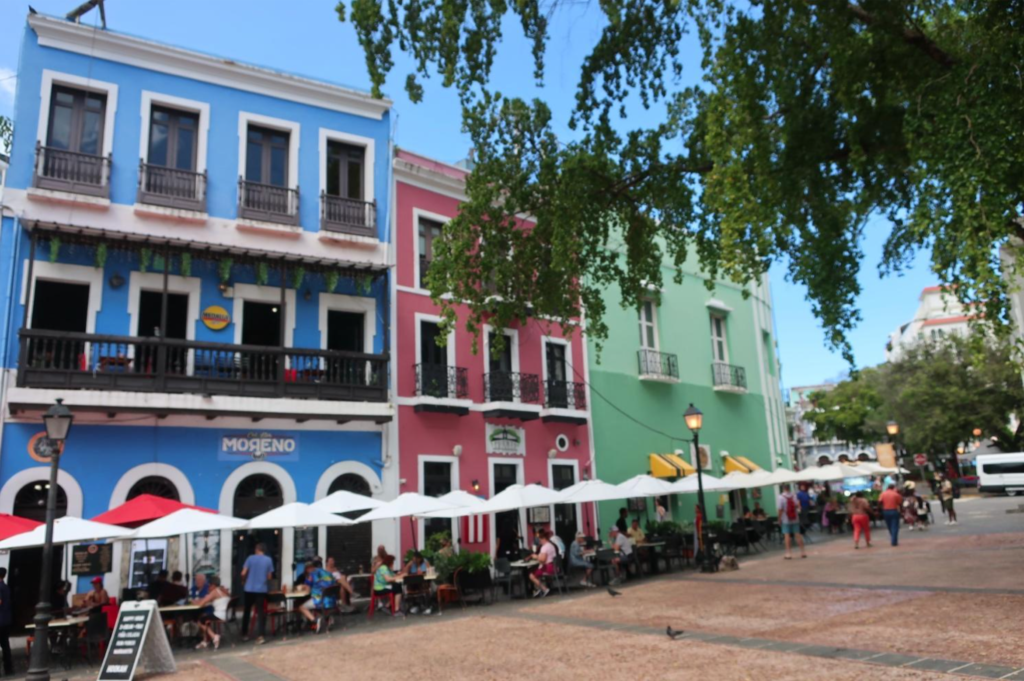
Because I arrived in Puerto Rico prior to my presentation, I could visit the Old San Juan historic district, a UNESCO World Heritage Site, albeit for a limited time. The colonial-era fortifications and vividly colored architecture offered a tangible sense of Puerto Rico’s historical trajectory, making the visit a valuable cultural experience alongside conference participation. While local buses were free and potentially convenient, their schedules were often unreliable, and in practice I frequently relied on ride-hailing services such as Uber and Lyft.
At the National Archives II, located near Washington, D.C., this being my second archival research visit and given the limited duration of my stay, I narrowed my focus to Record Group 218 (Records of the Joint Chiefs of Staff). Although this record group contains a substantial volume of still-classified materials, I requested and examined as many declassified documents as possible. In particular, I could obtain materials from the files of Earl G. Wheeler, Chairman of the Joint Chiefs of Staff, which more concretely link U.S. nuclear operational planning in the late 1960s with military bases in Okinawa. These materials constitute an important contribution to strengthening the empirical foundation of my doctoral dissertation. I also reviewed additional related documents and organized research questions for future study.
Finally, my overseas presentation at the ASA Annual Meeting and archival research at the National Archives II were made possible through financial support from the Japan Association for American Studies Overseas Travel Grant and International Leading Research (23K20033). I would like to express my sincere gratitude for the opportunity to participate in an international academic forum and to deepen my research. Building on the insights and feedback gained during this trip, I intend to further develop my research based on the findings of my doctoral dissertation.