

1. Introduction
In mid-March 2026, I traveled to Washington, D.C., Columbus (Ohio), and New York in the United States. The primary purpose of this trip was to participate in the 2026 Annual Convention of the International Studies Association (ISA) held in Columbus, while also conducting field research on institutions dealing with historical memory in the United States.
My research has focused on why historical memory in South Korea develops into political conflict and on the mechanisms behind this process. While this interest originally stemmed from concerns about history issues between Japan and Korea, my current focus extends to examining how reconciliation can be made possible.
More specifically, I analyze the changing interpretations of the 1894 Donghak Peasant War and their political implications, paying particular attention not to interstate conflict but to how competing memories within a society shape contemporary political cleavages. From this perspective, this trip aimed to examine how the memory of the Civil Rights Movement is articulated in both public and private spheres in the United States through field visits to relevant institutions.
2. The Persistence of Memory in South Korea
At the ISA, I participated in the panel titled “The Colonial Past in the Present: Comparative Reflections from Asia, the Caribbean, and the Pacific” and presented a paper entitled “Reframing the Past: Memory Activism and the Donghak Peasant War in South Korea’s Democratization Movement.”
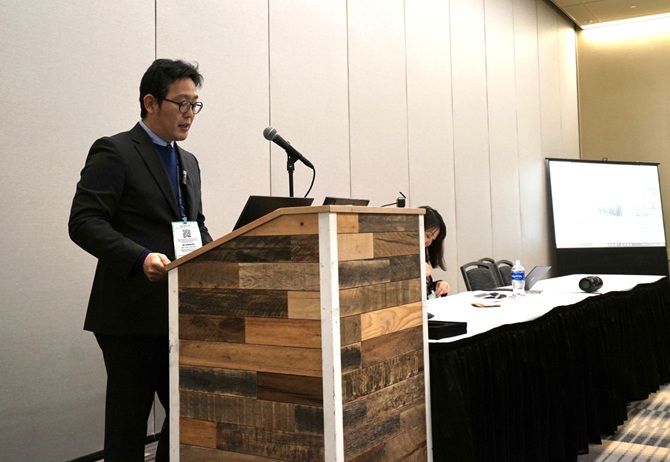
The panel explored how past events are interpreted in the present and become issues of public debate across different regions. A shared analytical perspective was that the past does not become a problem by itself but becomes contested only when it is given meaning in the present context.
My presentation examined how the memory of the Donghak Peasant War was reinterpreted during the democratization movement of the 1980s and why it continues to persist. Under the military regime, the event had been framed as an expression of “sacrificial patriotism,” but it was redefined by historians involved in the democratization movement as a popular struggle for social transformation. This reinterpretation was also shared by the descendants, leading to the emergence of a narrative of “people who did the right thing but were forgotten.”
As a result, descendants organized in the 1990s and developed movements demanding official recognition from the state. In 2004, the Donghak Peasant War was formally recognized by the government. However, this recognition did not resolve the issue. Many descendants still feel that recognition remains insufficient, and demands for further acknowledgment persist.
Moreover, because this memory is transmitted within families, a sense of being directly involved and the demand for recognition continue across generations. The question of which historical events should be prioritized is also tied to state commemorations and budget allocations, thereby becoming a source of political contestation.
In response to this presentation, a question was raised: “Now so what?”, that is, what outcomes might result from the continued demands for recognition. This question prompted me to reconsider the direction of my research.
At present, the memory of the Donghak Peasant War does not converge into a single narrative but continues to be articulated from multiple terrains. Descendants seek recognition within the lineage of independence movements; local governments and civic groups mobilize it as a symbol of democracy; and in some cases, it is framed as a memory of victimization by Japanese forces. Particularly at the local level, there are conflicts between families identifying with Confucian elite lineages and those tracing their roots to the peasant army, with the latter seeking to restore their legitimacy and honor.
What is important is that, although these narratives do not converge into a single unified account, they overlap across different domains—public institutions, civil society activities, and personal experiences—and are, in a broad sense, shared as a public memory. Because each narrative is grounded in different sources of legitimacy, even state recognition does not fully reconcile them; instead, certain discrepancies continue to persist.
As a result, these narratives do not come to an end but repeatedly reappear from different positions. Reconciliation, therefore, should not be understood as the resolution of these discrepancies, but rather as the challenge of how to conceive and sustain relationships that can endure even when such differences remain.
3. Field Research on Memory Institutions: Frameworks of Reconciliation in Exhibition
In conjunction with the ISA conference, I visited the following institutions:
- United States Holocaust Memorial Museum
- National Museum of African American History and Culture (NMAAHC)
- Malcolm X and Dr. Betty Shabazz Memorial and Educational Center
- The National 9/11 Memorial & Museum
Although these institutions deal with different historical contexts, they share certain similarities in how they construct memory and connect it to the present.
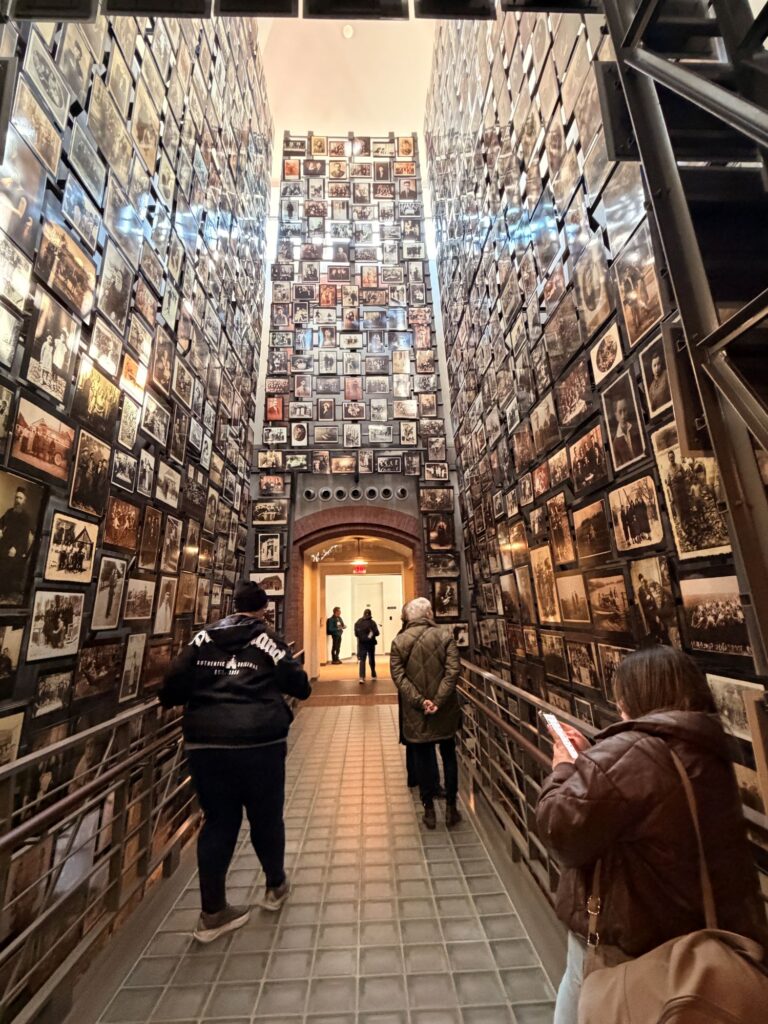
At the United States Holocaust Memorial Museum, the exhibition presents in stages how discrimination became embedded in social institutions, culminating in unprecedented violence. Through reconstructions of concentration camps, victims’ names, and survivor testimonies, the past is framed not as something concluded but as something that continues to pose questions to the present. Reconciliation here is articulated as the ethical commitment to “never again,” to be carried forward by future generations.
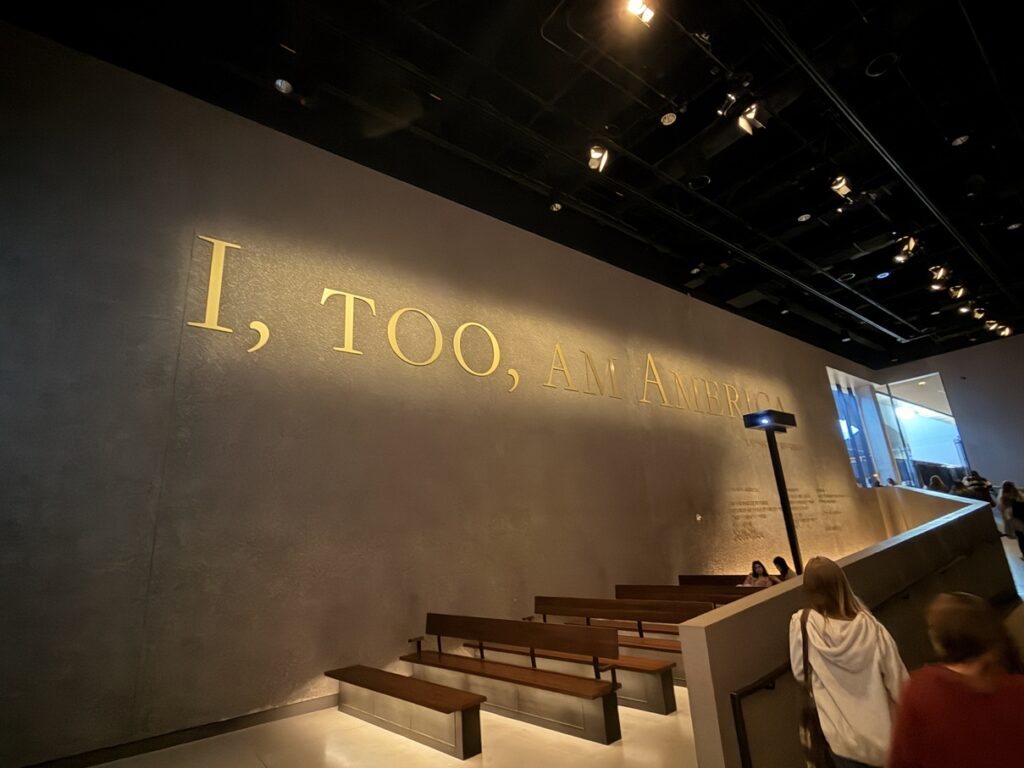
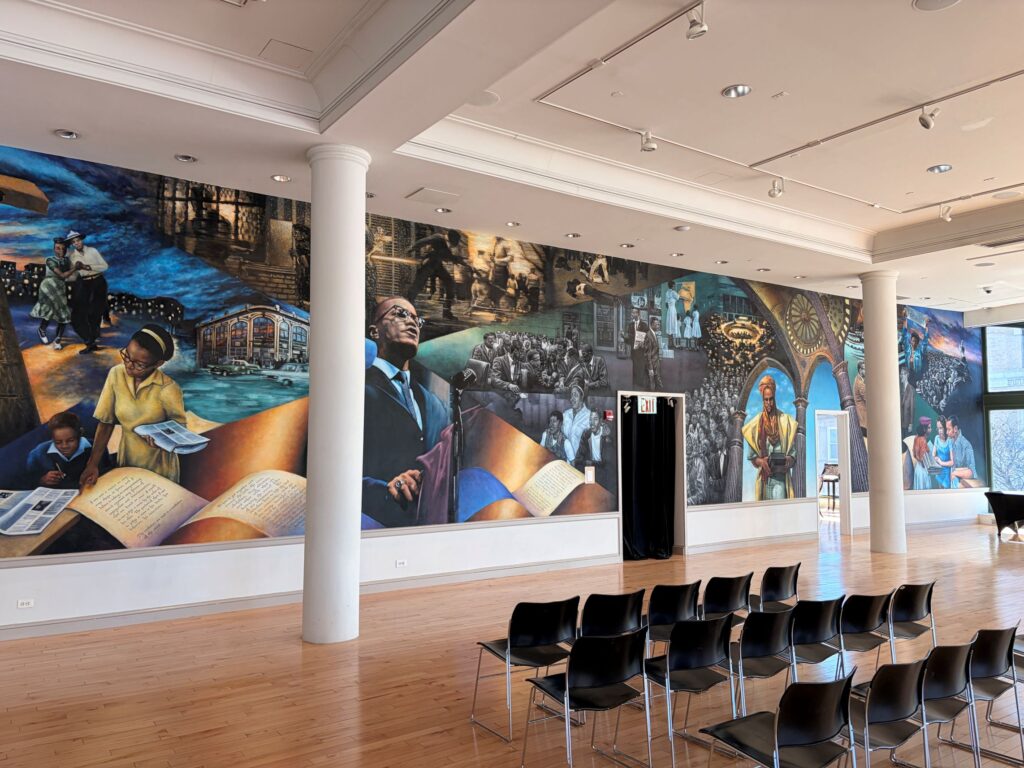
The National Museum of African American History and Culture and the Malcolm X Memorial Center also address histories of racial conflict but ultimately present narratives oriented toward integration. In the former, the history from slavery to the Civil Rights Movement is organized as a “journey toward freedom,” and African American experiences are positioned as an integral part of the broader narrative of American national development. In the latter, Malcolm X is represented from the perspective of his family, not as a symbol of confrontation but as a figure oriented toward coexistence and solidarity. While a more critical narrative might have been expected, the exhibition instead emphasizes values such as freedom and transnational solidarity.
Similarly, the National 9/11 Memorial & Museum emphasizes collective solidarity through the commemoration of victims and the celebration of “heroic acts,” particularly those of first responders. Here, the focus is placed less on the causes of conflict than on reaffirming communal unity.
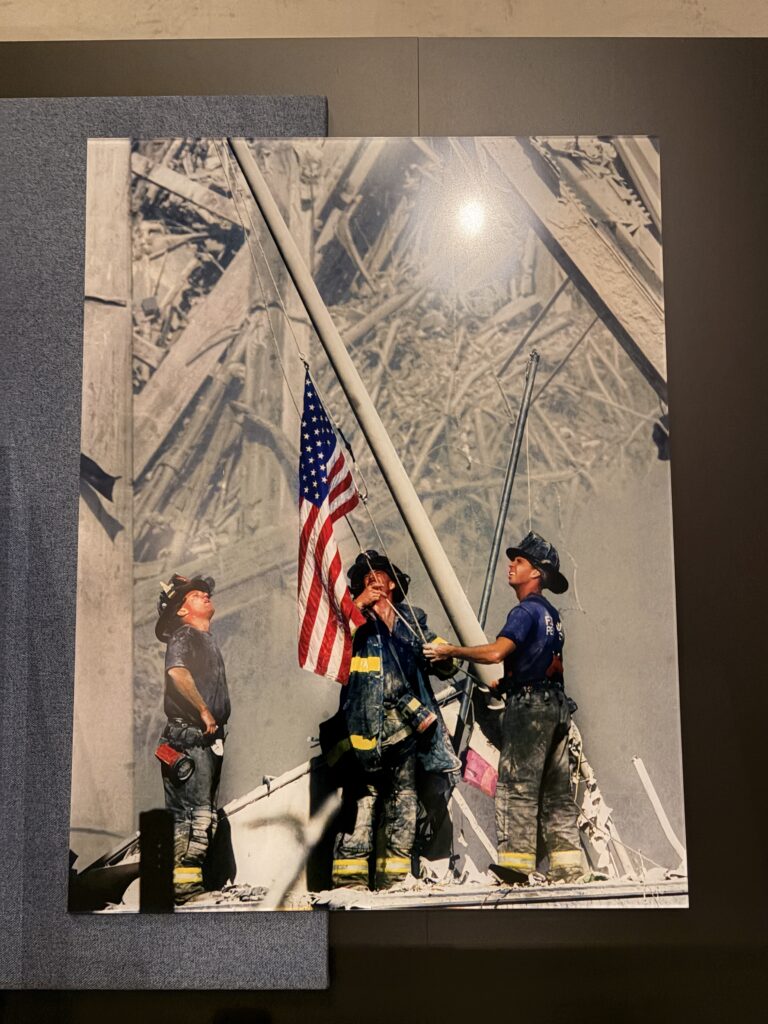
Taken together, these institutions tend to converge on narratives that connect memories of suffering and heroism to values such as democracy and freedom, thereby supporting the integration of the community.
However, this narrative structure also raises concerns. Racial issues in the United States remain unresolved, and such integrative narratives cannot fully capture the complexity of ongoing conflicts and experiences. Indeed, it is precisely because such official narratives exist that alternative voices and demands for recognition continue to emerge.
From this perspective, issues of historical memory should not be understood as disputes over which interpretation is correct, but rather as questions of who is able to speak about the past and under what conditions. Memory is thus not merely a matter of interpretation but also a political issue concerning the recognition of the right to speak.
In this sense, reconciliation should not be understood as reaching a single answer, but as the challenge of sustaining conditions under which different narratives can coexist. This remains an important issue for future research.
Finally, I would like to express my sincere gratitude to Professor Toyomi Asano of Waseda University, who leads the International Reconciliation Studies Project, for supporting this research trip. I am also deeply grateful to Professor Naoko Kumagai of Aoyama Gakuin University for her encouragement, and to Ms. Shima Asami and Dr. Hiroko Kawaguchi of Waseda University for their assistance with administrative procedures. Their support made this trip possible.