International Education
Arauf Aji Harindra Sakti

main achievements
Paper presenter at International Education Development Forum, Nagoya University, Japan in 2023,
and full paper presenter at 28th World Congress of Political Science, South Korea in July 2025.
Field of study
Peace Education, Nationalism, Public Policy on Education
Motivation for participating in this project (about 200 words)
The kind of researcher you are aiming to become
I aspire to become a researcher who thinks critically and contributes actively to the development of my
academic discipline, while also playing a role in promoting Indonesia’s global image as a peaceful and
amicable nation.
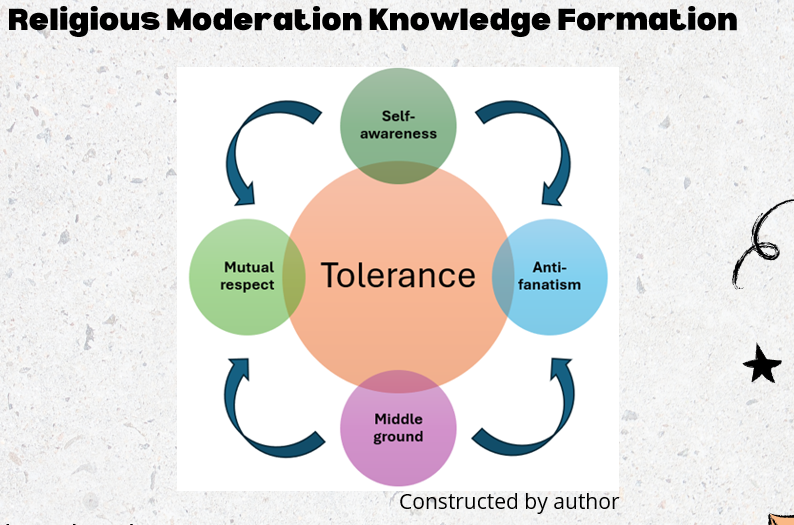
Introduction to your research theme ※Figure1
ndonesia is a multi-ethnic, multi-religious, and culturally diverse nation of over 275 million people.
Maintaining social harmony in such a context has long been a central challenge for policymakers, educators, and civil society. While violent conflicts have occurred, notably in Maluku, Poso, and Aceh, Indonesia has also demonstrated resilience in sustaining unity amidst diversity, a resilience often
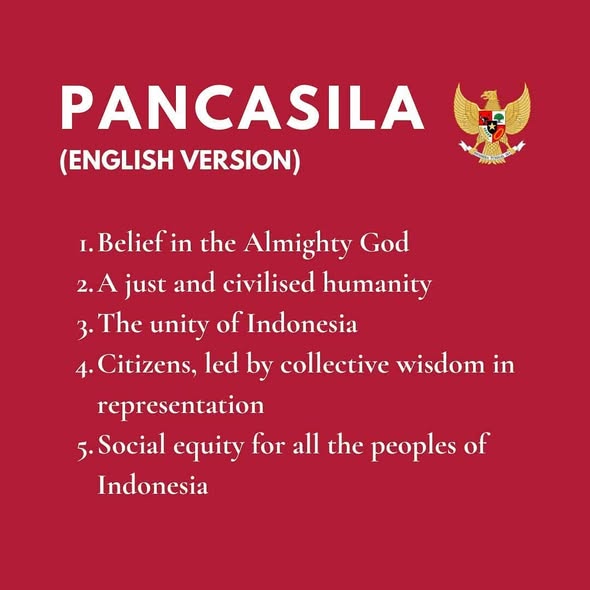
attributed to the country’s ideological foundation, Pancasila, and the moral and civic values embedded
in its education system. A sustainable reconciliation process also takes part in maintaining harmony not
only to stop and avoid further conflict, but also to recover from post conflict effects on affected sides.
Research on Pancasila as educational variable in domestic context showed positives output in building
harmony by developing and nurturing peace attitudes, but it doesn’t mean work, or it might be works in some extent when applied beyond state borders. Moreover, Indonesia ranks as the fourth-largest contributor of official migration to OECD countries, with significant Indonesian populations in nations such as Malaysia and Saudi Arabia. It also ranks first among ASEAN countries for official migration to the United Kingdom and Australia, particularly through skilled work and family streams. Considering the growing polarization and the rise of anti-immigrant sentiments worldwide, it becomes crucial for Indonesia to equip its citizens abroad with the capacity to navigate, adapt, and actively contribute to preserving harmony in their host societies.
Therefore, the primary goal of my research is to investigates how exposure to Indonesian peace education, rooted in Pancasila-based education values, influences the peace attitudes and adaptability of Indonesians in multicultural or transnational contexts. The research offers a new approach in understanding and examining Pancasila-based education influence in migration context. In a nutshell, the research tries to cover Pancasila influence on peace education in Indonesia, Pancasila-based education impact in developing Indonesian peace attitudes, and how it’s impact on Indonesian diaspora adaptability overseas.
Research Image