

Gender & EthnicityInternational EducationResearch Collaborator
CAO Thi Minh Chau
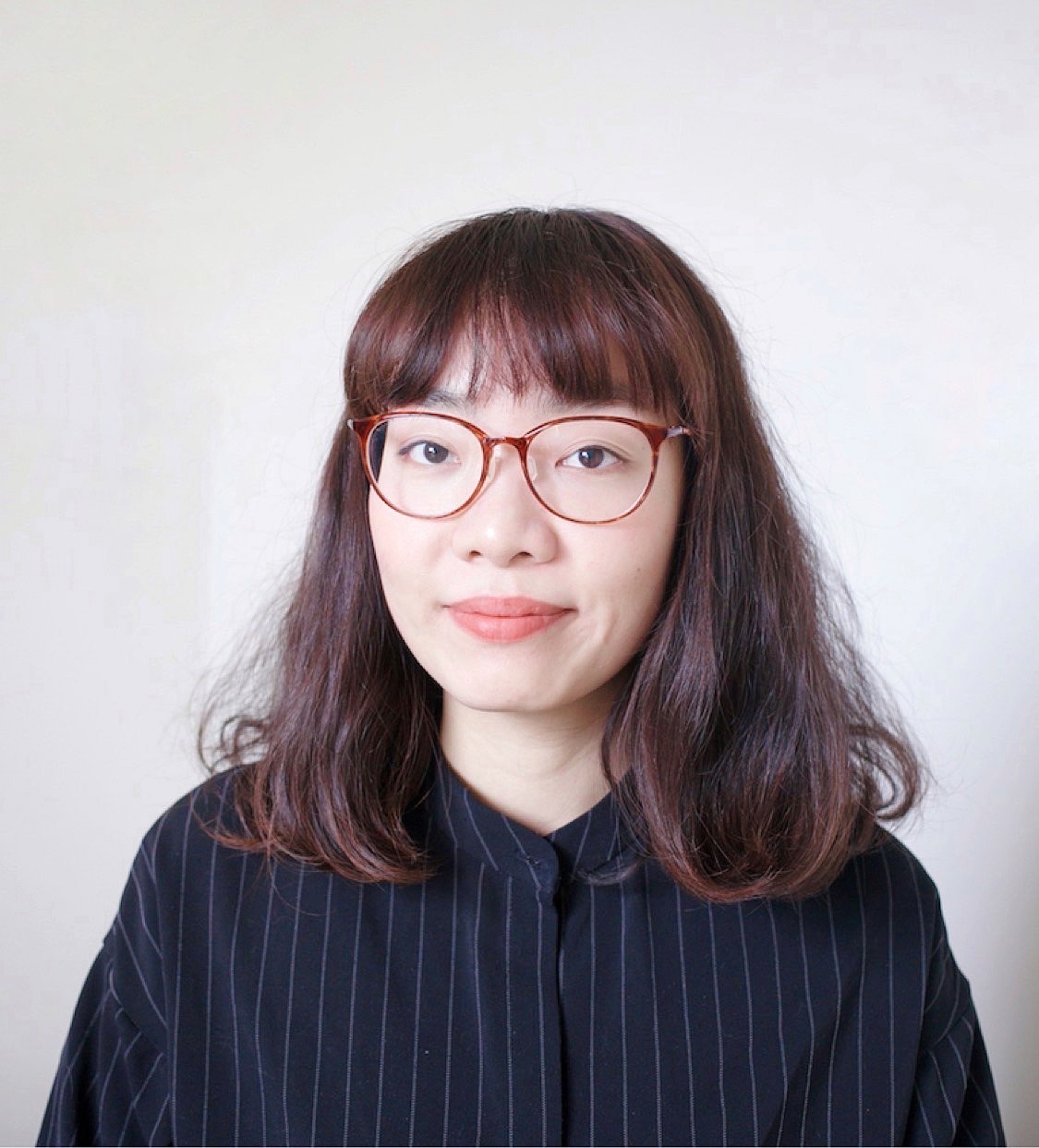
Waseda University Research Assistant at Waseda University, affiliated with the Gender & Ethnicity and International Education groups of the project
Research Achievements
Presentations:
International Association of Reconciliation Studies (Seoul – South Korea)
Title: Everyday Reconciliation: Vietnamese Students’ Experiences in Former Adversary Nations
UNESCO Stakeholders Meeting on the Internationalization of Higher Education (Bangkok – Thailand)
Title: Exploring Reconciliation Through Study Abroad: A Collaborative Autoethnography of Vietnamese Students in Japan and the United States
Papers:
International Journal of Educational Research (Volume 133; 2025)
Title: Beyond the gender gap: The role of cultural, socioeconomic, and familial factors in Vietnamese students’ STEM major choices (co-author)
Journal of Education and Learning (Vol. 8, No. 6; 2019)
Title: Review the Use of Information and Communication Technologies in Education for People with Disabilities in Asia
Research Plan
This research asks what reconciliation actually looks like when it is not declared by governments or signed in treaties, but lived out imperfectly, painfully, and repeatedly by ordinary individuals embedded in relationships with former adversary nations. The central case is Vietnamese students studying in Japan and the United States, two countries their families identify as former enemies yet depend on economically and institutionally. The research asks how these students navigate that contradiction in daily academic and social life, and what their experience reveals about the nature of reconciliation more broadly.
Research Aims
The study challenges the dominant assumption in peace and reconciliation studies that progress moves in one direction, from conflict toward resolution. It aims to demonstrate that reconciliation at the individual level is better understood as a spiral: a recursive process in which the same core tensions around identity, history, context, and power are revisited repeatedly and at progressively deeper levels. A key goal is to reframe apparent setbacks (renewed anger, emotional withdrawal, retreat into ethnic community) not as failures but as structurally necessary pauses that enable deeper engagement. The research also aims to surface what conventional reconciliation frameworks tend to obscure: the gendered burden of emotional labor placed on students from the periphery, the structural gap between personal growth and societal power asymmetry, and the limits of contact theory when historical trauma remains unacknowledged by the dominant group.